Local Materials and Traditions Shape the Character of Horse Racing Tracks

Local Materials and Traditions Shape the Character of Horse Racing Tracks
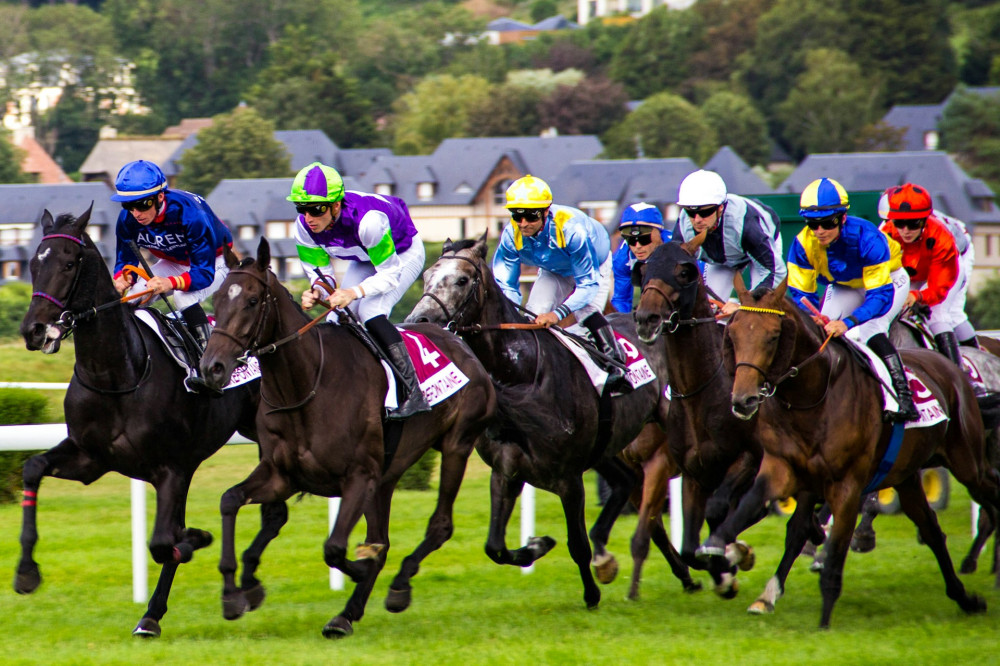
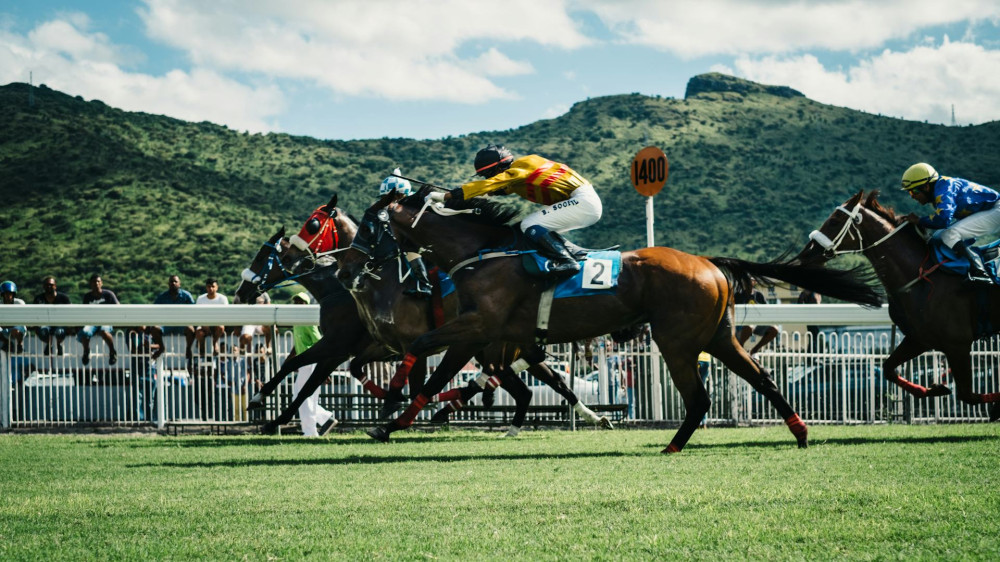
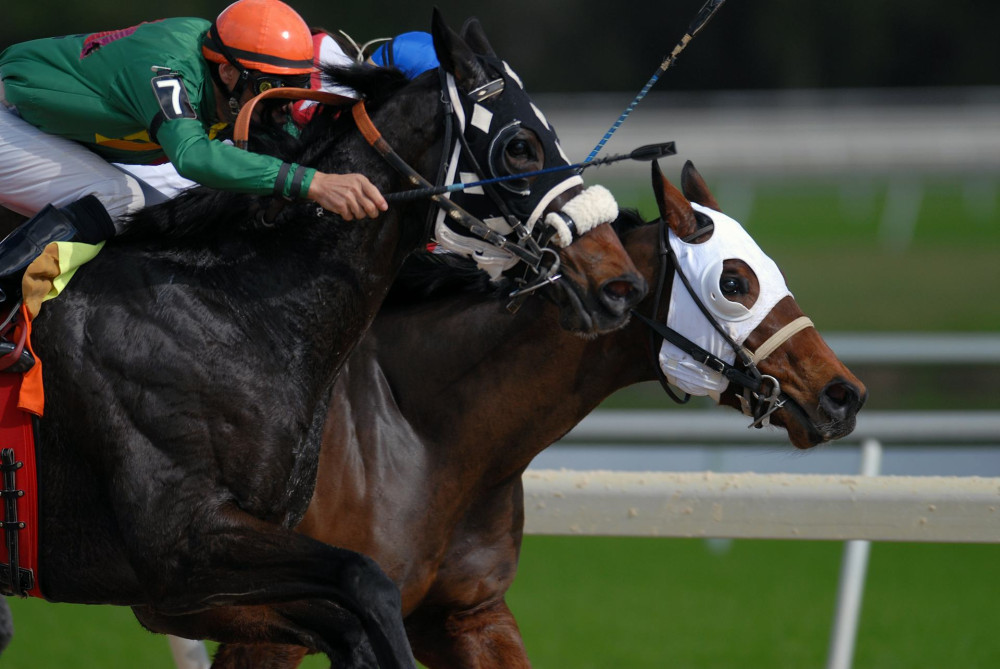
When spectators watch thoroughbreds thunder down the stretch, it’s easy to focus on speed, strategy, and the thrill of the finish. Yet beneath the horses’ hooves lies a world of local materials, craftsmanship, and traditions that shape not only the track’s character but also the very nature of the race. From the soil composition to the grandstand architecture, every racetrack reflects the landscape and culture that surround it—making horse racing a sport deeply rooted in place.
Soil, Sand, and Climate – The Soul of the Track
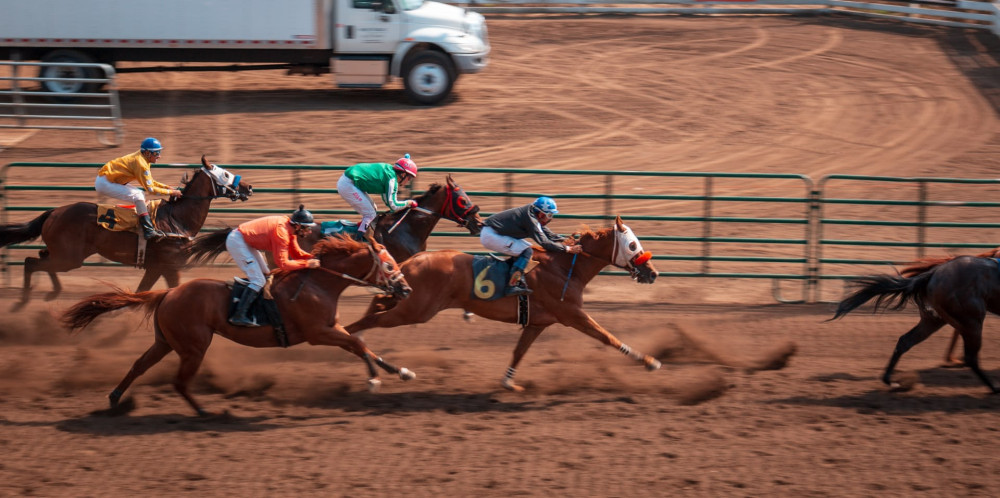
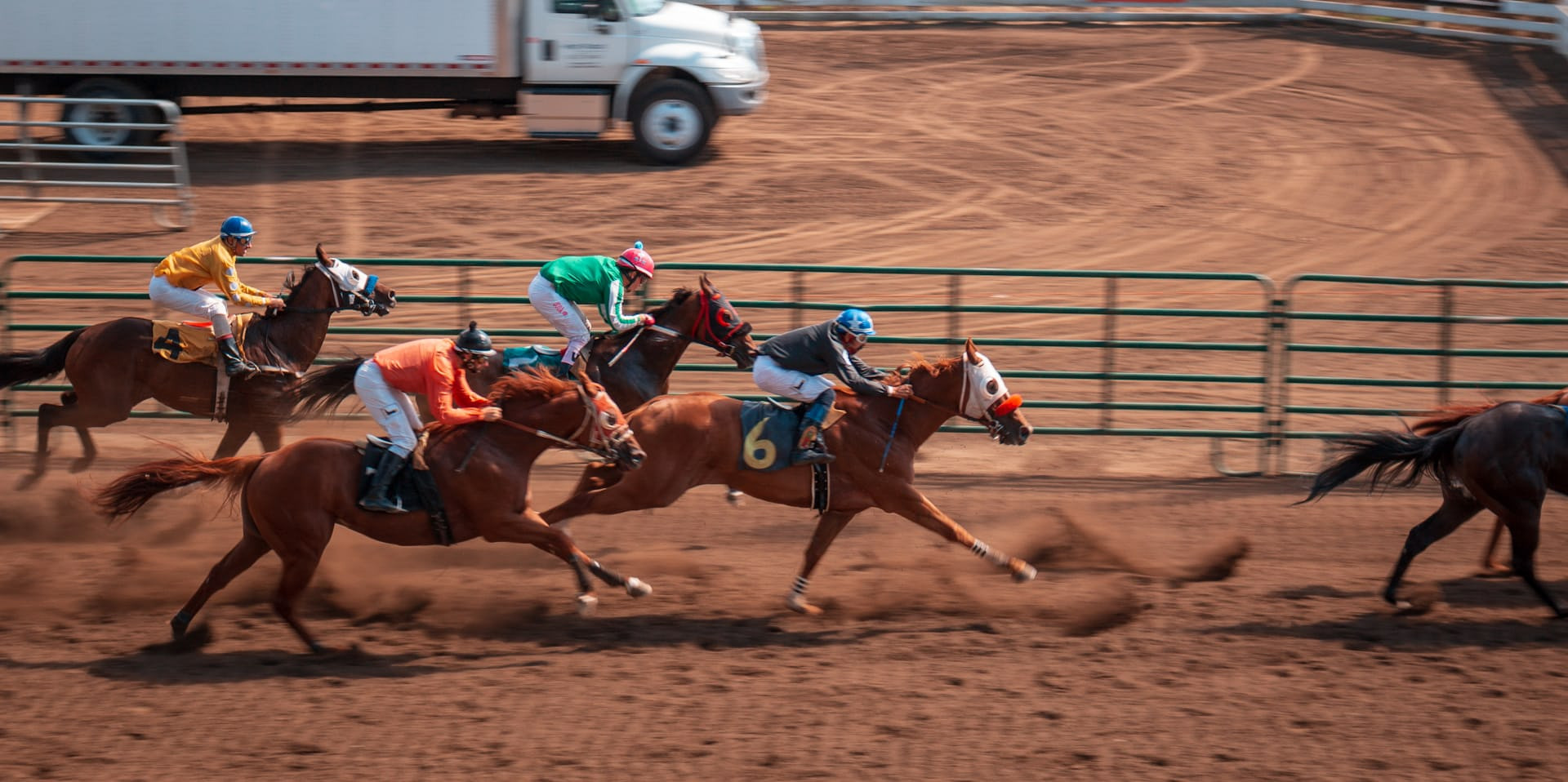
The surface is the heart of any racetrack. In the United States, dirt tracks dominate, especially in regions with hot summers and variable rainfall. The classic American “dirt” surface is often a carefully balanced mix of sand, silt, and clay—each component adjusted to local weather and drainage conditions. Tracks in the Midwest, for example, may use heavier clay to retain moisture, while those in the Southwest rely on sandier blends that resist drying and cracking under the sun.
Synthetic tracks, introduced in the early 2000s, reflect another layer of adaptation. Made from local sand mixed with fibers and wax, they were developed to handle the wide range of American climates—from the rain-soaked Pacific Northwest to the heat of Southern California. Each surface tells a story of experimentation and regional ingenuity.
Local Craftsmanship and Building Traditions
Racetracks are more than sporting venues—they are cultural landmarks. Many of America’s most beloved tracks showcase local materials and architectural styles. At Churchill Downs in Kentucky, the twin spires rise above grandstands built with regional brick and timber, echoing the craftsmanship of 19th-century Louisville. Saratoga Race Course in upstate New York, with its Victorian-era wooden pavilions and wrought-iron details, reflects the elegance of its Gilded Age origins.
In the West, tracks like Santa Anita Park in California blend Art Deco design with open-air layouts suited to the mild climate and mountain views. Even smaller community tracks often feature local stone, reclaimed wood, or steel sourced from nearby industries—each a nod to the region’s economic and aesthetic heritage.
Traditions That Define the Experience
Every racetrack has its own rituals, shaped by local culture and community. In Kentucky, the first Saturday in May means mint juleps, bright hats, and the singing of a traditional tune before the Derby—an event that feels as much like a state holiday as a sporting contest. At Saratoga, families have gathered for generations under the same picnic trees, turning race days into social reunions. In Louisiana, Cajun food and zydeco music fill the air at the Fair Grounds, blending racing with the rhythms of local life.
These traditions give each track its personality. They connect the sport to its surroundings and remind fans that horse racing is not just about competition—it’s about belonging.
Sustainability and Renewal
As environmental awareness grows, many racetracks are rediscovering the value of local materials and sustainable design. Some have begun sourcing sand and soil from nearby quarries to reduce transport emissions, while others are restoring historic barns and grandstands rather than replacing them. At Keeneland in Lexington, preservation and modernization go hand in hand: the limestone facades, quarried locally, are maintained alongside state-of-the-art racing surfaces and green initiatives.
This renewed focus on local resources not only supports regional economies but also ensures that each track remains in harmony with its environment.
Læs også:
A Sport Rooted in the Land
When a horse crosses the finish line, it’s the culmination of countless forces—human skill, animal strength, and the character of the ground itself. The materials beneath the hooves, the architecture that frames the view, and the traditions that fill the stands all shape the experience. In every region, horse racing reflects the land and people who sustain it. That connection to place is what keeps the sport alive—not just as a competition, but as a living expression of local identity.
Læs også: