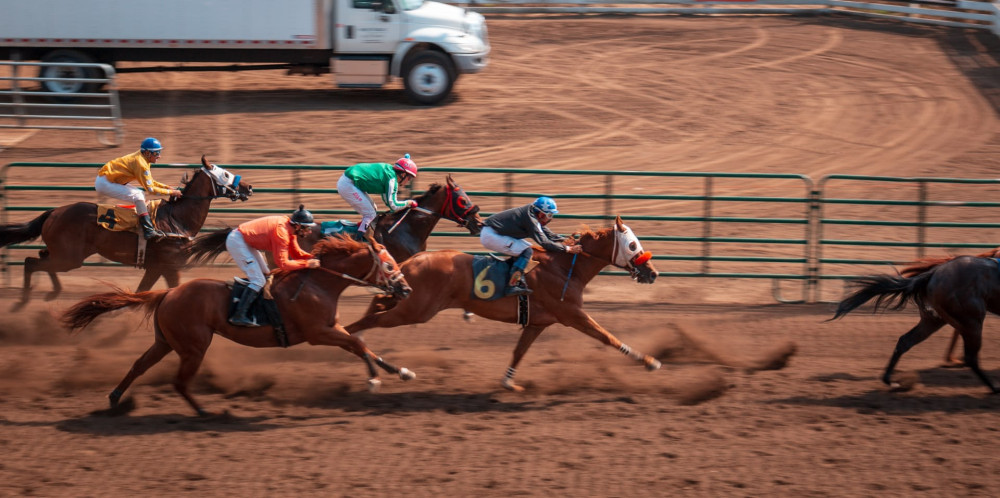
Keep the Strategy When Conditions Change at the Last Minute

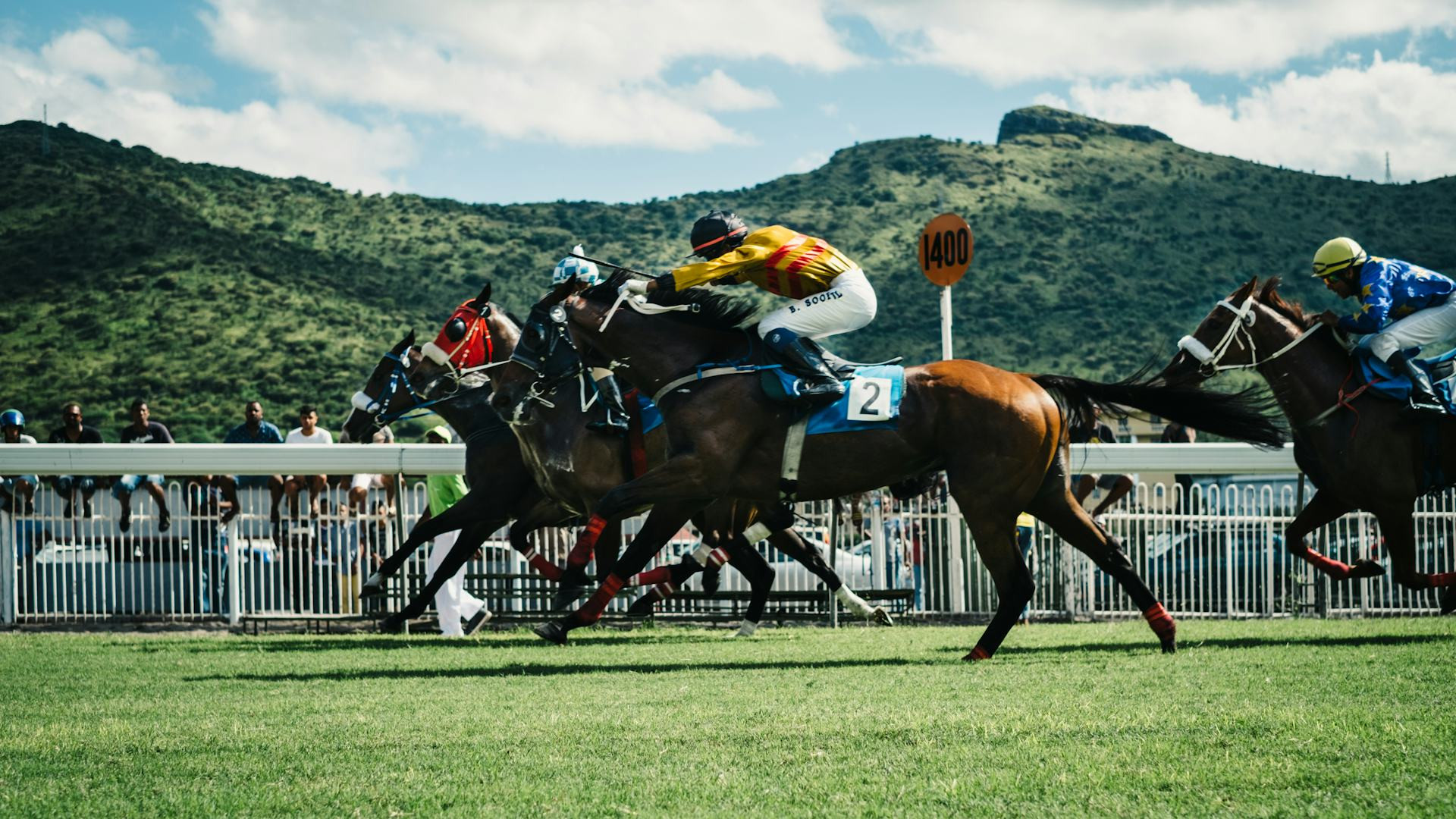
Keep the Strategy When Conditions Change at the Last Minute
When the countdown is on and every detail has been planned, it’s tempting to change course if the weather shifts, a key player drops out, or a competitor suddenly looks unbeatable. But in horse racing – as in many other competitive arenas – success often depends on staying calm and sticking to the overall plan, even when circumstances change at the last minute. This article explores how bettors, trainers, and owners can keep their strategy intact when the unexpected happens.
Preparation Is Your Best Insurance
A solid strategy starts long before race day. The better you know your horse, jockey, and track, the easier it is to judge whether a change calls for an adjustment or simply a steady hand. Always build a plan that accounts for different scenarios: What if the track turns muddy? What if the starting gate position changes? What if a top rival scratches?
By thinking through these possibilities ahead of time, you avoid panic decisions. It’s not about being stubborn – it’s about having a clear foundation to return to when pressure mounts.
Know the Difference Between Adjustment and Panic
When conditions shift, it’s natural to consider a tweak. But there’s a big difference between a thoughtful adjustment and a knee-jerk reaction. Experienced trainers and bettors know that small, practical changes – like switching to lighter shoes for a wet track – can make sense. But overhauling your entire race plan five minutes before post time because a favorite looks sharp in warm-up rarely pays off.
Ask yourself: Does this new information truly change the fundamentals of my plan, or is it just playing on my nerves? If it’s the latter, stay the course.
Read the Situation, Not the Buzz
At the track, emotions run high. When the crowd starts buzzing and commentators talk about “surprise upsets,” it’s easy to get swept up. That’s when an analytical mindset becomes your greatest asset. Look at the facts: How has your horse performed under similar conditions? What do the stats say about post positions and track surfaces? Keeping your strategy doesn’t mean ignoring reality – it means separating data from distraction.
Trust the Process
A good strategy is built on knowledge, preparation, and experience. Once you’ve done your homework, you have to trust it. Many lost bets and disappointing races aren’t the result of bad planning, but of losing faith in the plan when the pressure rises. Sticking to your strategy means accepting that you can’t control everything – but you can control your response. That’s where the best separate themselves from the rest.
Læs også:
After the Race: Learn from the Challenge
Even the best strategy can be tested by unforeseen events. Instead of regretting that you didn’t change course, use the experience as a learning opportunity. Review what happened: Were the changing conditions truly decisive, or was it just bad luck? Only by analyzing your decisions afterward can you improve your ability to judge when to hold firm and when to adapt.
Conclusion: Calm Is a Competitive Edge
In a sport where margins are razor-thin and emotions run high, calmness is an underrated strength. The person who can keep their strategy steady when everything else shifts has a mental advantage. Preparation, confidence, and the ability to separate facts from feelings are key – for trainers, jockeys, and bettors alike. Change is inevitable, but your reaction to it determines whether you win or lose.
Læs også: