International Racetracks: How Conditions Differ Around the World


International Racetracks: How Conditions Differ Around the World
Horse racing is a truly global sport, but the conditions that horses and jockeys face vary dramatically from one country to another. From the sunbaked dirt tracks of California to the lush turf courses of England and the high-tech synthetic surfaces in Japan, every racetrack has its own personality. These differences shape not only the pace and tactics of a race but often its outcome. Here’s a look at how racetrack conditions differ around the world—and why they matter so much to the sport.
The Surface – The Foundation of Every Race
The track surface is the single most important factor in horse racing. It affects traction, stride, and stamina, influencing how a race unfolds from start to finish.
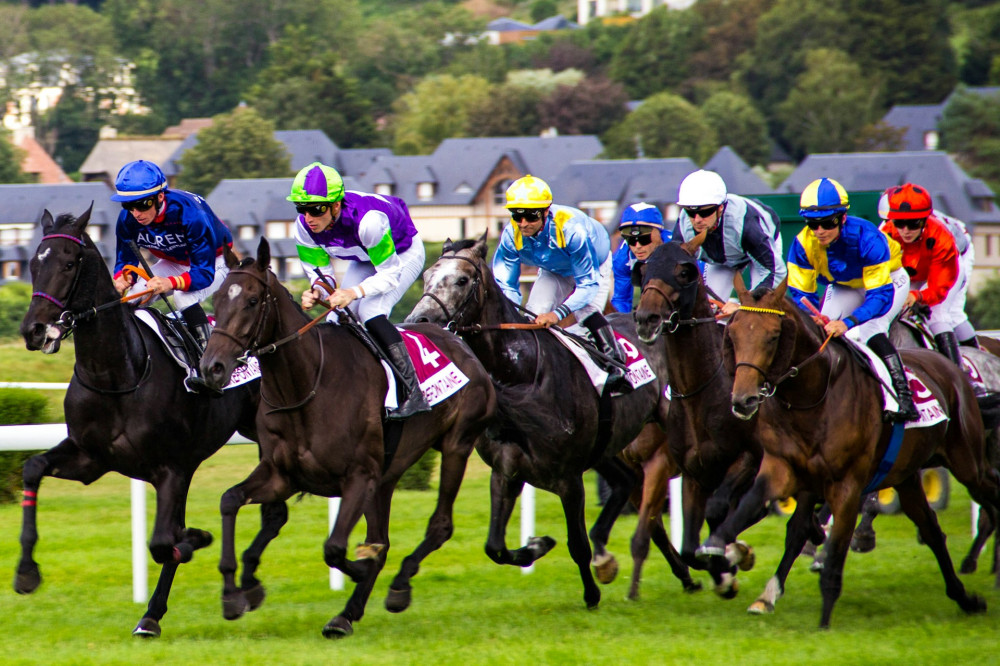
- Turf tracks dominate in Europe and Australia. They provide a natural, springy surface that many horses prefer, but they’re also highly weather-dependent. Rain can make turf soft and slow, while dry conditions create faster going.
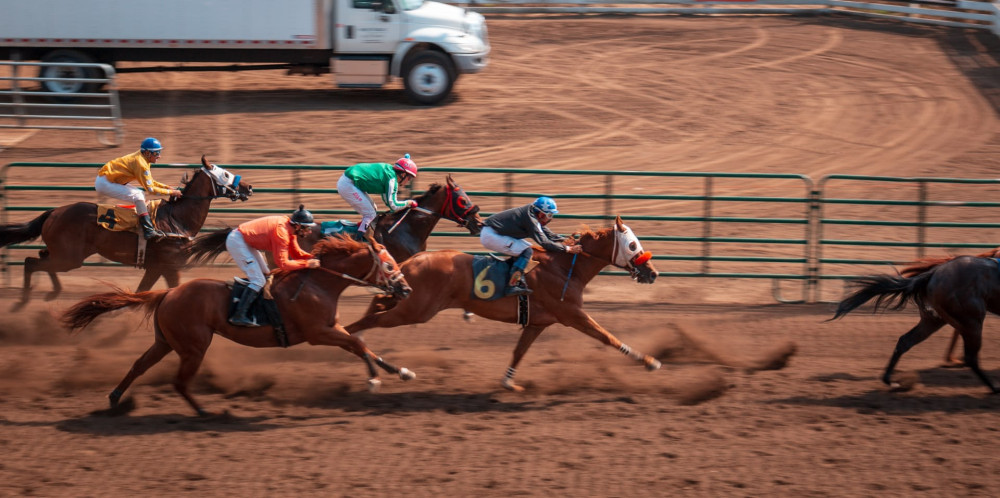
- Dirt tracks are the standard in the United States, Japan, and parts of the Middle East. They tend to produce faster times but are harder on horses’ legs, demanding explosive speed and quick acceleration.
- Synthetic tracks—made from a mix of sand, rubber, and fibers—are increasingly popular in Canada and at select U.S. venues. They offer more consistent footing and are less affected by weather, though some trainers argue they favor certain running styles.
For trainers and jockeys, this means that a horse excelling on one surface may struggle on another. Many stables travel with horses specifically suited to local track conditions.
Climate and Geography Shape the Experience
Weather and geography play a huge role in how racetracks are built and maintained. In tropical regions like Hong Kong and Singapore, tracks must withstand heavy rainfall, while in desert climates such as Dubai, heat and dust are the main challenges.
In Europe, rain and cold are constant factors, requiring advanced drainage systems to keep turf courses in top condition. Meanwhile, high-altitude tracks—like those in Mexico City—test horses’ endurance due to thinner air, often giving local horses a natural advantage.
Læs også:



Track Design and Layout
While most racetracks are oval, their exact shape, banking, and length vary widely. Some have tight turns, others long home stretches, and a few—like Epsom Downs in England—feature dramatic elevation changes that test both balance and stamina.
- Churchill Downs (USA) is famous for its long, flat stretch that rewards horses with a strong finishing kick.
- Epsom Downs (England) challenges riders with its undulating terrain and cambered turns.
- Meydan Racecourse (Dubai) showcases cutting-edge design, with immaculate surfaces and one of the most luxurious grandstands in the world.
These variations mean jockeys must adapt their tactics. A tight-turning track demands early positioning, while a long stretch allows for a late surge.
Culture and Tradition – More Than Just Racing
Horse racing is as much about culture as competition. In the United Kingdom, it’s steeped in tradition, with events like Royal Ascot blending sport, fashion, and social prestige. In Japan, racing is marked by precision and passionate fan engagement, with crowds following their favorite horses with near-religious devotion.
In the United States, racing is tied to iconic events like the Kentucky Derby—a celebration of Southern charm, big hats, mint juleps, and multimillion-dollar wagers. In the Middle East, where Arabian horses originated, racing is a symbol of heritage and pride, supported by vast investments in breeding and facilities.
Technology and the Future of Racing
Modern technology is transforming racetrack management. Sensors now monitor moisture and firmness in real time, allowing grounds crews to fine-tune maintenance daily. Safety for both horses and riders has become a top priority, with innovations in surface materials and veterinary care reducing injury risks.
Sustainability is also gaining ground. Many tracks are adopting eco-friendly practices such as water recycling, solar energy, and environmentally responsible materials. These efforts reflect a broader shift toward protecting both the sport’s reputation and the welfare of its athletes—equine and human alike.
A Global Sport with Local Flavor
At its core, horse racing is the same everywhere: speed, skill, and the bond between horse and rider. Yet it’s the local conditions—climate, culture, and tradition—that give each racetrack its unique character. For fans, trainers, and bettors alike, understanding these differences isn’t just trivia—it’s the key to appreciating why horse racing remains one of the world’s most captivating and truly international sports.
Læs også: