Stage Wins Explained: What Affects Riders’ Chances of Victory?

Stage Wins Explained: What Affects Riders’ Chances of Victory?
When the peloton rolls out for another stage of the Tour de France, Giro d’Italia, or Vuelta a España, it’s not just raw power that determines who crosses the finish line first. Every stage win is the product of a complex mix of physiology, tactics, terrain, and timing. But what exactly shapes a rider’s chances of victory—and how can an underdog sometimes outsmart the favorites?
Stage Types – The Foundation of Every Win
The first factor is the nature of the stage itself. Flat stages favor sprinters, while mountain and hilly stages open the door for climbers and breakaway specialists.
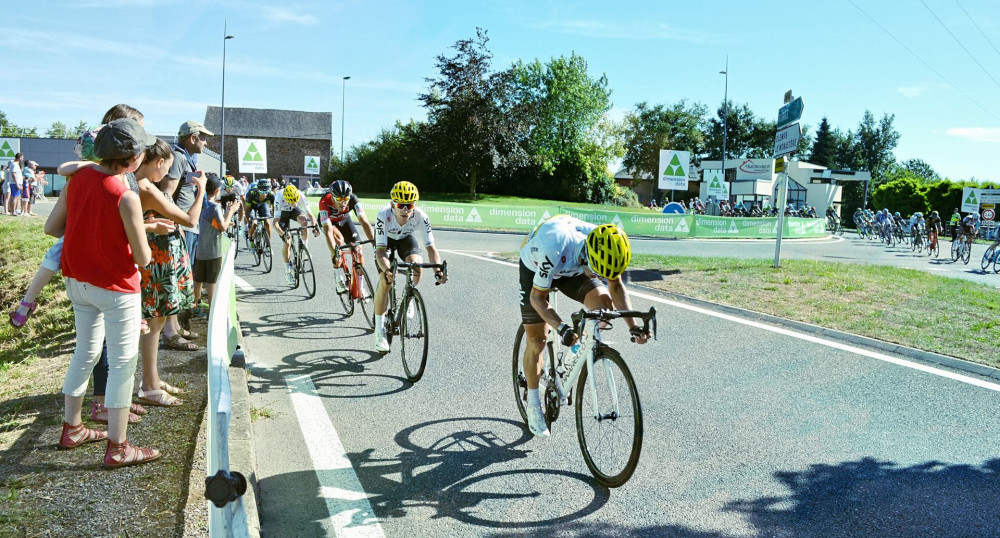
- Flat stages: These are all about positioning and timing. Sprinter teams control the pace, and the win is often decided in the final 200 meters. Crosswinds, however, can cause chaos and split the peloton.
- Mountain stages: Long climbs separate the best climbers from the rest. Endurance, power-to-weight ratio, and pacing are key.
- Time trials: Individual races against the clock where aerodynamics, pacing, and mental focus make the difference.
- Hilly or rolling stages: These favor riders with explosive power and tactical awareness—perfect terrain for breakaways and surprise wins.
Understanding the stage profile is the first step in predicting who has a realistic shot at victory.
The Team Factor – More Than Just Support
Although cycling is often seen as an individual sport, teamwork is crucial. A strong team can protect its leader from the wind, chase down breakaways, and control the race tempo.
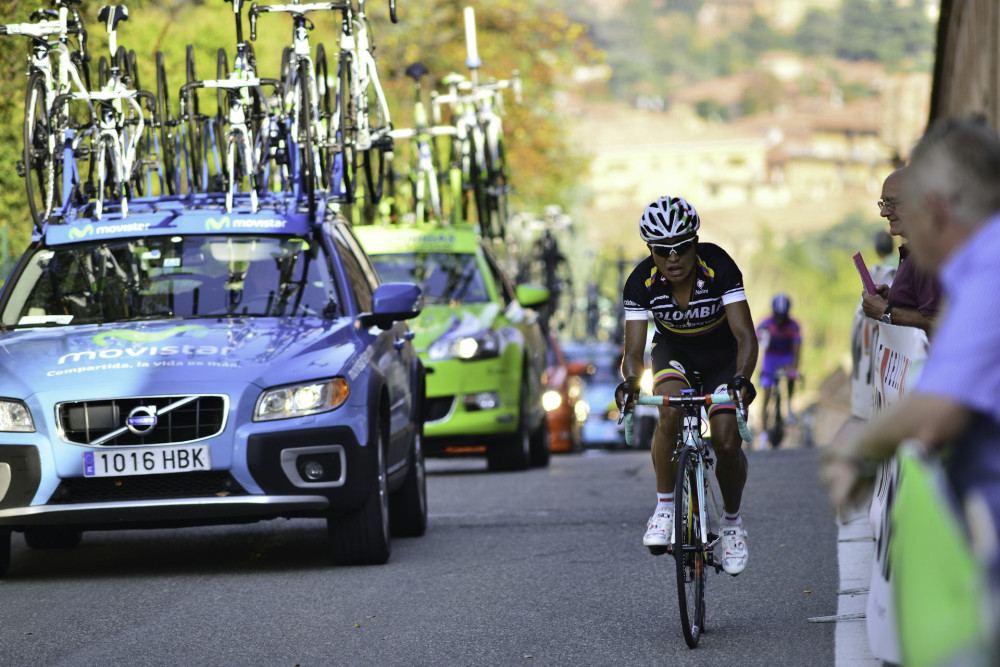
Sprinters rely heavily on their lead-out trains, teammates who guide them into the perfect position before the final sprint. In the mountains, domestiques set the pace and shield their leader from attacks.
Teams with multiple options—say, a sprinter and a climber—can also play the tactical game more effectively, forcing rivals to guess which rider to mark.
Læs også:
Weather and Wind – Nature’s Wild Card
Weather can change everything. Rain makes roads slippery and increases crash risk, while heat drains energy. Crosswinds can split the peloton into echelons, leaving unlucky riders stranded behind.
Experienced teams use weather to their advantage. A sudden gust or shift in wind direction can decide whether a breakaway succeeds or fails. In a sport measured in seconds, nature’s unpredictability often becomes a decisive factor.
Tactics and Timing – The Game Within the Game
Even the strongest rider can lose if the tactics are wrong. When should you attack? When should you conserve energy? And when is it time to gamble?
A breakaway can succeed if the peloton underestimates it or if the favorites hesitate to chase. On the other hand, launching a sprint too early can cost the win. Race intelligence and experience are just as important as physical strength.
Modern cycling also relies heavily on data and technology. Riders monitor power output, heart rate, and distance in real time, helping them manage effort and make split-second decisions.
Form and Recovery – The Body’s Hidden Battle
Stage races last for weeks, and riders’ form fluctuates. A cyclist might feel unbeatable one day and exhausted the next. Sleep, nutrition, and recovery are therefore critical.
Teams now employ nutritionists, physiotherapists, and performance coaches who track everything from hydration to sleep cycles. Small details—like the right meal or recovery routine—can make a huge difference, especially in the final week of a Grand Tour.
Motivation and Psychology – The Mental Edge
Motivation can be a secret weapon. A rider chasing their first stage win might dig deeper than ever, while a tired team leader may choose to save energy for later. Mental strength is especially vital on mountain stages, where pain and fatigue test every limit.
Some riders thrive under pressure; others perform best when expectations are low. The psychological side of racing often separates the good from the great—and sometimes determines who finds that extra ounce of strength in the final climb.
When Everything Comes Together
A stage win happens when countless factors align: form, tactics, teamwork, timing, and a touch of luck. Even small mistakes—a flat tire, poor positioning, or a moment’s hesitation—can ruin a day’s work.
That’s what makes stage victories so captivating. They’re the result of both planning and improvisation, of strength and strategy. And when a rider finally raises their arms at the finish line, it’s the culmination of a game where nothing is ever guaranteed.
Læs også: