Riders’ Positioning: The Key to More Accurate Race Predictions

Riders’ Positioning: The Key to More Accurate Race Predictions
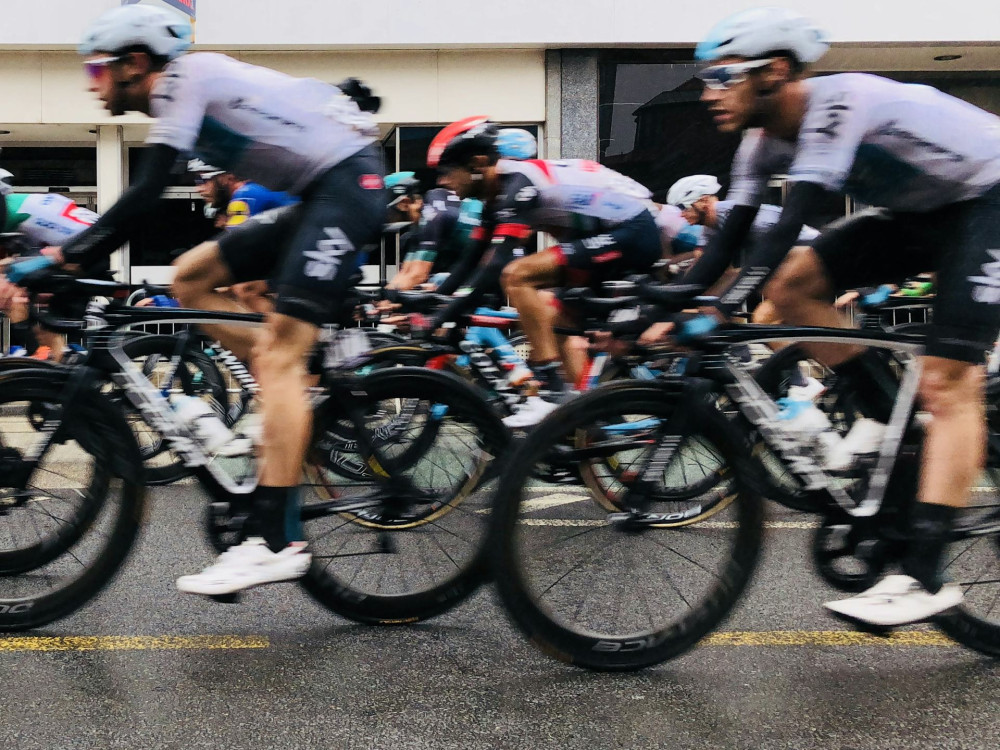
When watching a cycling race, it can seem as though the riders simply roll along in one long line until the final sprint decides everything. But behind that apparent chaos lies a pattern — a strategy in which every position in the peloton can influence the outcome. For riders, coaches, and those trying to predict race results, understanding positioning has become a crucial factor. New data analyses show that where a rider is located in the pack at specific moments can reveal a great deal about their chances of success.
Positioning as a Tactical Weapon
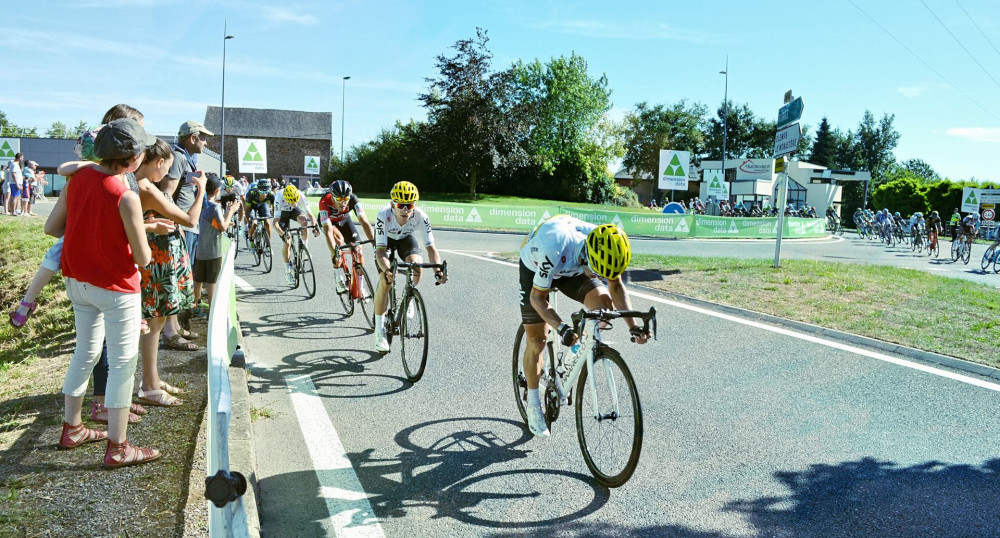
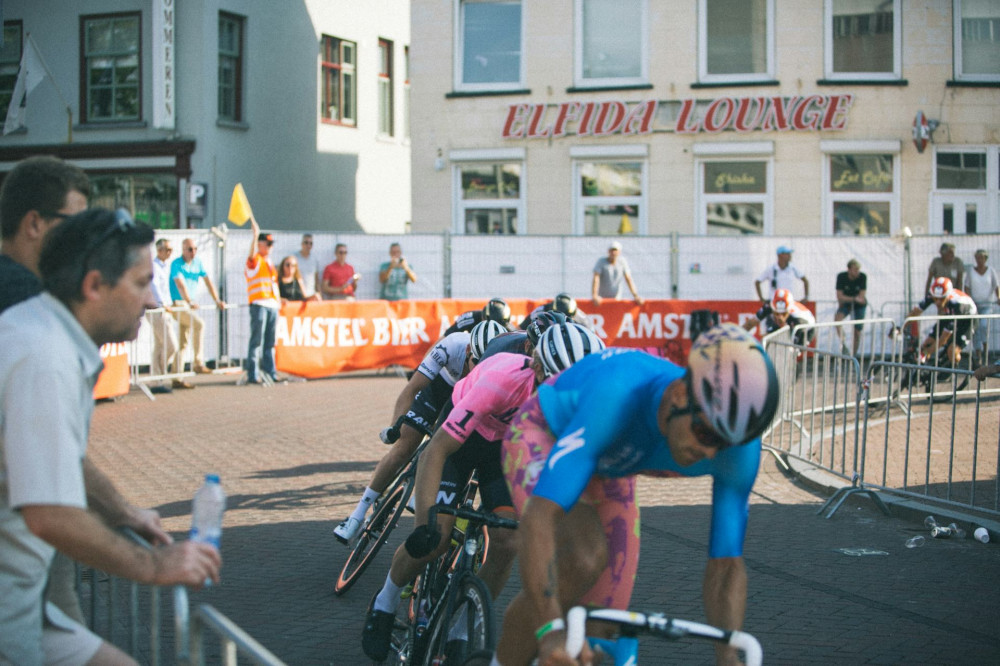
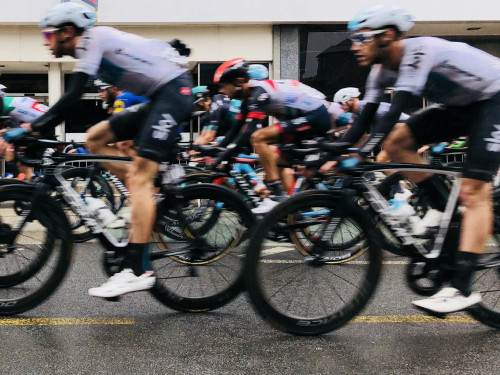
In modern cycling, positioning is not just about avoiding crashes or saving energy — it’s a core part of race strategy. A rider who consistently stays within the top 20 of the peloton is far more likely to avoid trouble and respond to attacks. Achieving that balance between staying near the front and conserving energy requires both physical strength and tactical awareness.
Teams now work systematically on this aspect. They analyze GPS data, video footage, and positional tracking to understand how riders move through the race. It’s not only about being strong — it’s about being in the right place at the right time.
Læs også:
Data That Changes the Game
In the past, race predictions were often based on riders’ form, past results, and terrain profiles. Today, a new dimension has been added: positional data. With sensors and live tracking, analysts can follow how riders move within the peloton from start to finish.
Studies show that riders who consistently stay in the front third of the field during the final 20 miles are significantly more likely to finish in the top 10. Conversely, those who drift backward late in the race rarely have the energy to contest the win — no matter how strong they appear on paper.
For those involved in sports analytics or betting, positioning can serve as an indicator of form and tactical sharpness. It provides a more nuanced picture than simply looking at power numbers or historical results.
Aerodynamics, Energy, and Psychology
Positioning is not only about tactics — it’s also about physics. Aerodynamic drag is the biggest energy factor in cycling, and riders who can shelter behind others can save up to 30% of their energy. But maintaining that position requires constant focus and the courage to ride inches away from competitors.
Psychology also plays a role. A rider who confidently holds a forward position sends a message to both teammates and rivals — a signal of control and readiness. Conversely, poor positioning can indicate fatigue, hesitation, or lack of confidence.
How Positioning Improves Predictions
For analysts and fans interested in forecasting race outcomes, positional data opens new possibilities. By combining positioning patterns with course profiles, wind conditions, and team roles, it’s possible to build models that estimate a rider’s likelihood of success in a given race.
For example, a rider who consistently stays near the front during crosswind stages can be rated as more resilient than one who drops back when the wind picks up. Similarly, a rider who always enters climbs among the first group is better positioned to respond to attacks from the favorites.
This doesn’t mean that everything can be predicted — cycling remains unpredictable. But positioning adds an extra layer of insight that makes forecasts more precise and realistic.
The Future: Artificial Intelligence and Real-Time Analysis
Several teams and analytics companies are already using artificial intelligence to interpret positional data in real time. By combining GPS, heart rate, power output, and wind data, algorithms can predict when a rider is about to lose position or is preparing to attack.
For viewers, this could transform how races are experienced — not just seeing who wins, but understanding why. And for those trying to predict outcomes, it offers a tool that separates intuition from insight.
Positioning as the Sport’s Hidden Language
Cycling is ultimately about more than raw power. It’s a game of placement, timing, and nerve. Riders’ positioning is the sport’s hidden language — one that reveals who is in control, who is struggling, and who is waiting for the perfect moment.
For those who learn to read it, a new dimension of understanding opens up — and perhaps a path toward more accurate predictions of who will cross the finish line first.
Læs også: