Recognize Your Gaming Habits and Understand Your Motivation to Play

Recognize Your Gaming Habits and Understand Your Motivation to Play
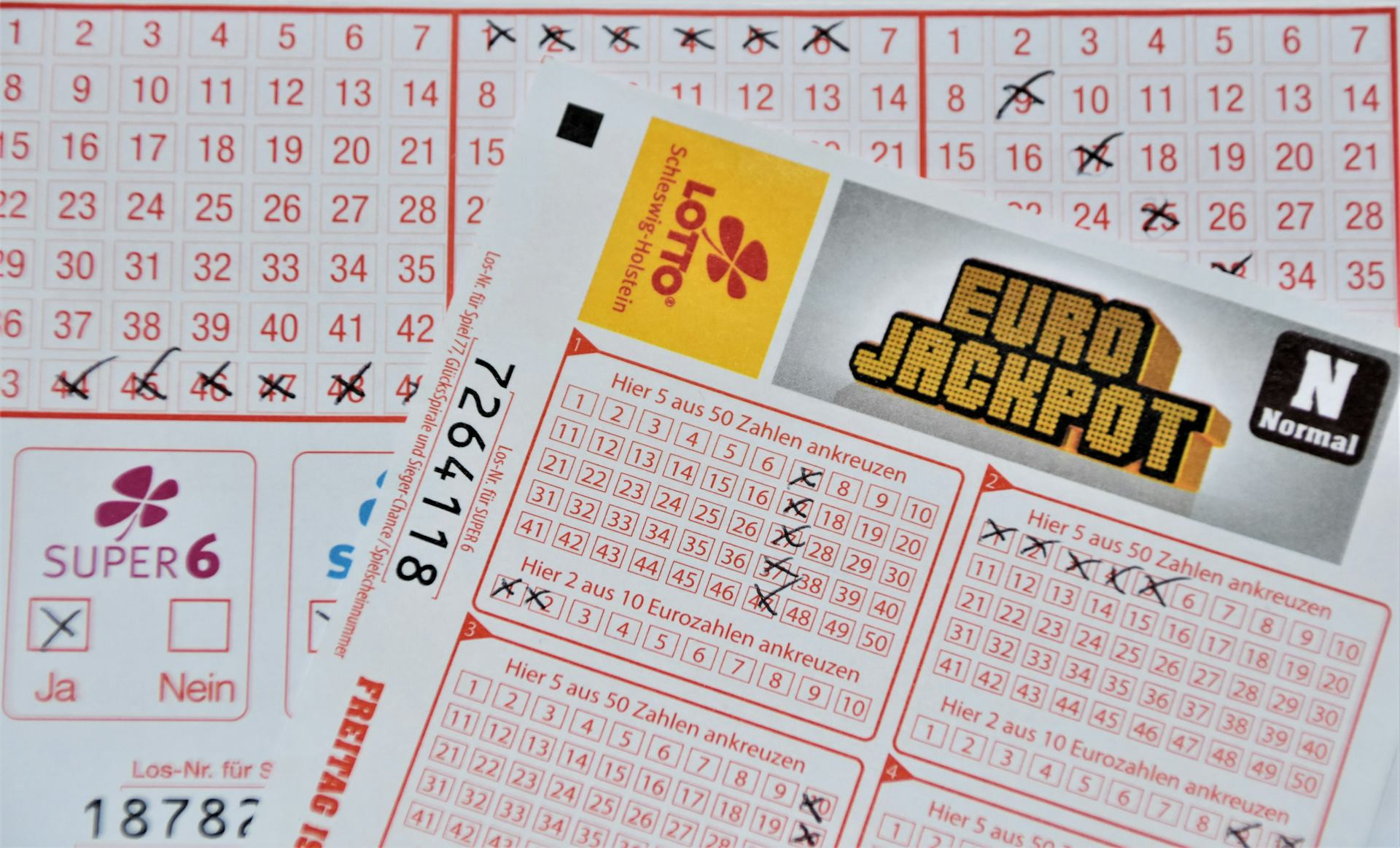
Gaming can be entertaining, social, and exciting. For many Americans, it’s a fun way to relax after work or connect with friends online. But for some, gaming—whether it’s casino games, sports betting, card games, or online video games—can start to take up more time and energy than intended. Understanding what drives you to play is the first step toward keeping a healthy balance.
Why Do You Play?
People play for many different reasons. Some seek fun and connection, others chase excitement, and some hope for a big win. Recognizing your own motivation can help you understand your gaming habits.
- Entertainment and social connection – Many people play simply to have fun or to spend time with friends. Gaming can be a great way to unwind and share experiences.
- Thrill and adrenaline – The rush of competition or the suspense of a bet can be exhilarating. But chasing that feeling can sometimes lead to playing more than planned.
- Escape from stress – For some, gaming becomes a way to avoid worries, boredom, or daily pressures. It’s important to notice if gaming starts replacing other ways of coping with stress.
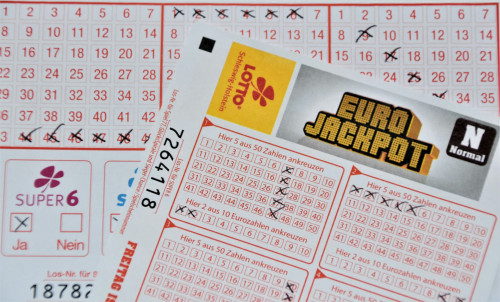
- The dream of winning – The hope of hitting a jackpot or achieving a rare in-game reward can be powerful. But remember: chance-based games always favor the house, and even skill-based games can become consuming if the goal is constant achievement.
Reflecting on what motivates you can help you see whether gaming is still a source of enjoyment—or if it’s starting to feel like something you can’t control.
Læs også:

Signs of Unhealthy Gaming Habits
Most people can enjoy gaming without problems, but sometimes the line between fun and dependency becomes blurred. Here are some signs to watch for:
- You play to win back money or rewards you’ve lost.
- You spend more time or money on gaming than you planned.
- You hide how much you play from family or friends.
- You feel restless or irritable when you can’t play.
- You use gaming to cope with negative emotions.
If several of these sound familiar, it might be time to take a step back and think about how gaming fits into your life.
How to Get a Clearer Picture of Your Gaming Habits
Understanding your gaming behavior isn’t about judging yourself—it’s about awareness. Here are some simple ways to gain insight:
- Keep a gaming log – Write down when you play, for how long, and how much you spend. Seeing it on paper can help you understand your patterns.
- Set limits – Decide in advance how much time and money you’ll spend, and stick to it. Many online platforms and casinos offer tools to help you set personal limits.
- Take breaks – Plan gaming-free days or weekends. Notice how it feels to step away for a while.
- Talk to someone – Share your thoughts with a friend, family member, or counselor. Talking openly can make it easier to recognize what’s really going on.
Finding Balance Between Fun and Control
Gaming can be a positive part of life when done mindfully. The key is to balance enjoyment with responsibility.
- Play for fun, not for profit.
- Accept that losses are part of the game.
- Stop when it’s no longer enjoyable.
- Remember that excitement and connection can come from many other activities—sports, hobbies, volunteering, or spending time outdoors can all bring fulfillment without financial risk.
When You Need Support
If gaming starts to feel overwhelming, help is available. In the United States, organizations like the National Council on Problem Gambling (NCPG) offer free and confidential support through their helpline at 1-800-522-4700 and online chat services. Reaching out can be an important step toward regaining control and making gaming what it should be—a fun, balanced part of your life.
Læs også: