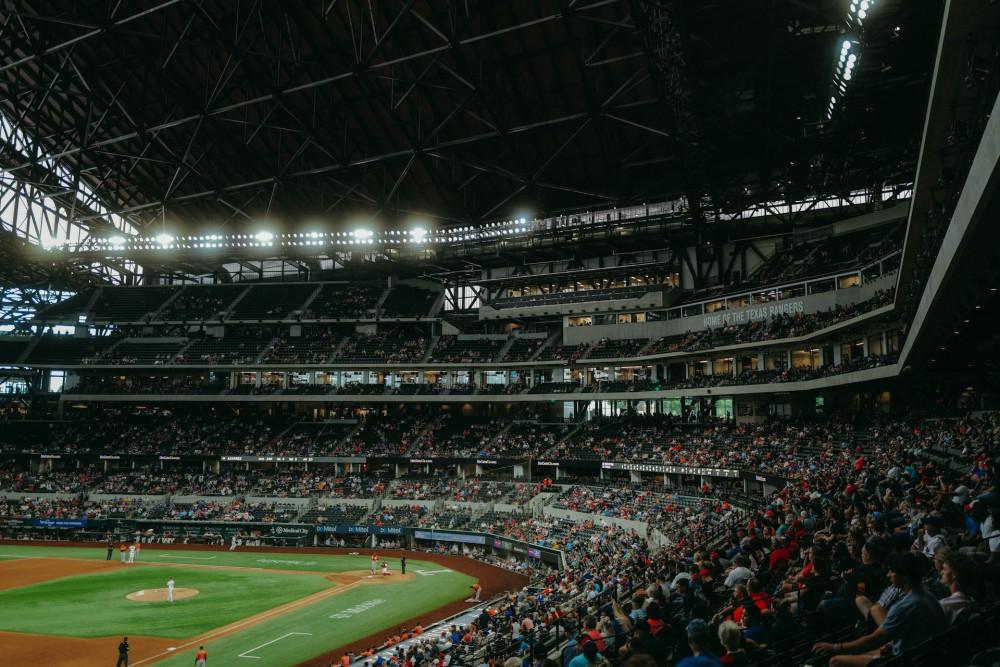
When the Weather Cooperates – How Wind and Rain Affect the Outcome of Baseball Games

When the Weather Cooperates – How Wind and Rain Affect the Outcome of Baseball Games
Baseball is a sport built on precision, timing, and the smallest of margins. Yet there’s one element no player or coach can control: the weather. Wind, rain, and temperature can dramatically alter the flow of a game, and understanding how nature’s forces shape the flight of the ball and the rhythm of play is essential for players, managers, and fans alike.
The Invisible Hand of the Wind
Wind is perhaps the most influential weather factor in baseball. A gentle breeze might seem harmless, but in a game where inches matter, it can make all the difference.
When the wind blows out toward the outfield, hitters gain an advantage. Fly balls that would normally die on the warning track can suddenly carry over the fence for a home run. Conversely, when the wind blows in, pitchers benefit, as long balls lose distance and drop more quickly.
Wind direction also affects pitching. A crosswind can make a curveball break more—or less—than usual, forcing outfielders to constantly adjust their positioning. At ballparks like Chicago’s Wrigley Field, where the wind can shift dramatically from one day to the next, the entire character of a game can change overnight.
Rain – The Game’s Natural Stop Sign
Rain is baseball’s biggest disruptor. Unlike many other sports, baseball is rarely played in wet conditions. A slick ball, muddy infield, and slippery base paths make it difficult—and dangerous—to continue. A wet baseball is hard for pitchers to grip and unpredictable for hitters to track.
When rain begins to fall, the umpire can call a rain delay, pausing the game until conditions improve. If the weather doesn’t clear, the game may be postponed or suspended and resumed later. These interruptions can throw off a team’s rhythm and bullpen strategy, especially if a starting pitcher has already thrown several innings before the delay.
Even light rain can subtly change the game. Moist air makes the ball heavier and reduces its carry, leading to fewer home runs and more ground balls—a scenario that favors teams with strong defense and effective pitching.
Læs også:


Temperature and Humidity – Small Differences, Big Effects
Temperature plays a quiet but important role in baseball. In cold weather, air molecules are packed more tightly together, making the air denser. The ball meets more resistance and doesn’t travel as far. In warm weather, the air is thinner, allowing the ball to fly farther—one reason why summer games often feature higher scores.
Humidity also matters. Pitchers generally prefer dry conditions, where they can better control grip, spin, and velocity. In humid air, the ball can feel slick, making precise control more difficult. Hitters, on the other hand, may benefit slightly, as breaking balls don’t move as sharply, giving them a fraction of a second more to react.
Ballpark Geography and Microclimates
No two ballparks are alike, and their surroundings play a major role in how weather affects the game. A coastal stadium like Oracle Park in San Francisco often faces cool, swirling winds from the bay, while a high-altitude park like Coors Field in Denver features thin air that allows balls to travel farther than almost anywhere else in the majors.
Even the orientation of the field—whether it faces east or west—can influence how sunlight and wind interact with the playing surface throughout the day. For managers and players, understanding these local conditions is a key part of game preparation.
Strategy and Forecasting – When Weather Becomes Part of the Game
For professional teams and analysts, weather isn’t just a random variable—it’s a strategic factor. Managers often adjust lineups and tactics based on the forecast. A day with strong headwinds might call for speed and small-ball tactics rather than power hitting. On a warm, still evening, the conditions might favor sluggers looking to clear the fences.
Weather also plays a role in analytics and betting. Many statistical models account for wind direction, temperature, and humidity when predicting runs, home runs, and pitching performance. It’s a reminder that in baseball, numbers and nature are deeply intertwined.
When Nature Joins the Lineup
Baseball is a game where human precision meets natural unpredictability. Weather can change a game, a season, or even a career. For players, it’s about adapting; for managers, it’s about planning; and for fans, it’s about appreciating how no two games are ever quite the same.
When the weather cooperates, baseball becomes more than a contest between two teams—it becomes a duel between human skill and the forces of nature.
Læs også: