Fighting Style and Strategy: Using Boxers’ Strengths to Predict the Fight’s Outcome


Fighting Style and Strategy: Using Boxers’ Strengths to Predict the Fight’s Outcome
When two fighters step into the ring, victory rarely comes down to luck. Every jab, feint, and counterpunch is part of a larger strategy built around each boxer’s strengths, weaknesses, and preferred fighting style. For fans who follow the sport closely—or for those who like to predict how a bout might unfold—understanding these elements can be the key to seeing the fight before it happens.
Knowing the Classic Fighting Styles
Boxing may be full of individual flair, but most fighters can be grouped into a few classic categories. Recognizing these styles is the first step toward predicting how a matchup might play out.
- The Out-Boxer – A technical, distance-oriented fighter who relies on speed, footwork, and precision. The out-boxer uses the jab to control range, score points, and frustrate opponents who can’t close the gap.
- The Pressure Fighter (Swarmer) – An aggressive, high-volume puncher who thrives on closing distance and overwhelming opponents with relentless pressure. Stamina and toughness are their greatest assets.
- The Counterpuncher – A patient tactician who waits for mistakes and punishes them with sharp, well-timed counters. This style demands excellent defense, timing, and composure.
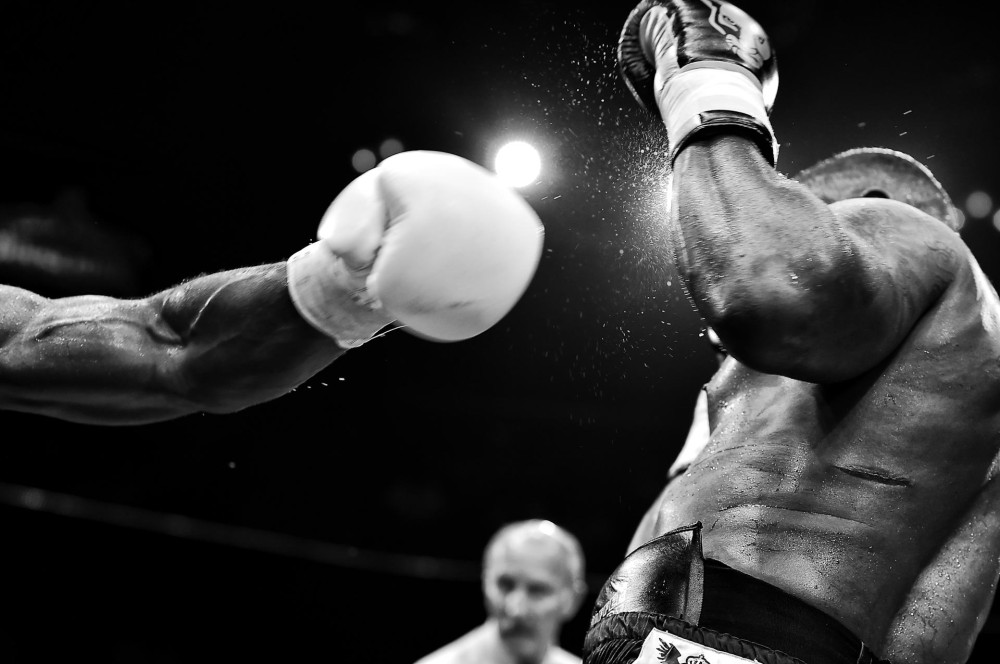
- The Slugger (Power Puncher) – A heavy hitter who looks for the knockout. Less mobile but extremely dangerous, the slugger can end a fight with a single clean shot.
Most modern boxers blend elements from several styles, but their dominant tendencies often reveal how they plan to win.
Strengths, Weaknesses, and Style Matchups
When two styles collide, the fight becomes a chess match of strengths and vulnerabilities. An out-boxer can neutralize a slugger by keeping distance and avoiding big exchanges, while a pressure fighter can wear down a technical opponent by forcing close-range battles.
It’s not always about who’s “better” overall—it’s about who can impose their style. A fight between contrasting approaches often comes down to who dictates the rhythm and range.
Læs også:



Physical and Mental Factors
Strategy alone doesn’t win fights. Physical conditioning plays a huge role. A fighter with superior endurance can survive early power shots and take control in the later rounds. Conversely, an explosive puncher might aim to finish the fight before fatigue becomes a factor.
Mental toughness is just as critical. The ability to stay calm under pressure, adapt mid-fight, and maintain focus when the momentum shifts often separates champions from contenders. Many bouts are decided not by the hardest punch, but by the smartest decision.
Reading the Numbers and the History
For those trying to predict outcomes, past performance offers valuable clues. How has a boxer fared against opponents with similar styles? Do they struggle against speed, or against pressure? Statistics like punch accuracy, punches landed per round, and defensive efficiency can reveal patterns that raw intuition might miss.
Still, numbers don’t tell the whole story. A fighter who’s changed trainers, improved conditioning, or adjusted tactics can look completely different from their last outing. That’s why watching recent fights and noting how a boxer reacts under pressure is just as important as studying the stats.
The Context of the Fight
Even the best analysis can fall short if you ignore the fight’s context. Is it a title bout with high stakes? A rematch fueled by emotion? Or a comeback fight after an injury or loss? Motivation, preparation, and the psychological weight of the moment can all shift the balance.
An underdog with something to prove can upset a favorite who underestimates them—and boxing history is full of such surprises.
From Analysis to Prediction
Predicting a boxing match ultimately means piecing together the puzzle: style, physicality, mentality, data, and context. When you understand how these factors interact, you start to see patterns that others might miss.
That’s the beauty of boxing—it’s both science and art, calculation and chaos. Because no matter how well you analyze the fight, there’s always that one moment when a fighter finds their rhythm—or lands the perfect punch—and everything changes.
Læs også: