Artificial Intelligence and Probability: A New Approach to Understanding Betting


Artificial Intelligence and Probability: A New Approach to Understanding Betting
Betting has always been about probability — about estimating how likely a certain outcome is to occur. But as artificial intelligence (AI) becomes more advanced, the way we understand and analyze odds is changing dramatically. Where betting once relied on intuition, experience, and basic statistics, AI can now process massive amounts of data and uncover patterns that humans would never notice. This marks the beginning of a new era where technology and probability theory merge.
From Gut Feeling to Machine Learning
For decades, betting was driven by human intuition. Bettors would consider team form, weather conditions, injuries, and historical performance — often guided by a mix of data and instinct. But AI is rewriting the rules. Through machine learning, algorithms can analyze thousands of games, players, and scenarios in seconds, calculating probabilities with a precision far beyond human capability.
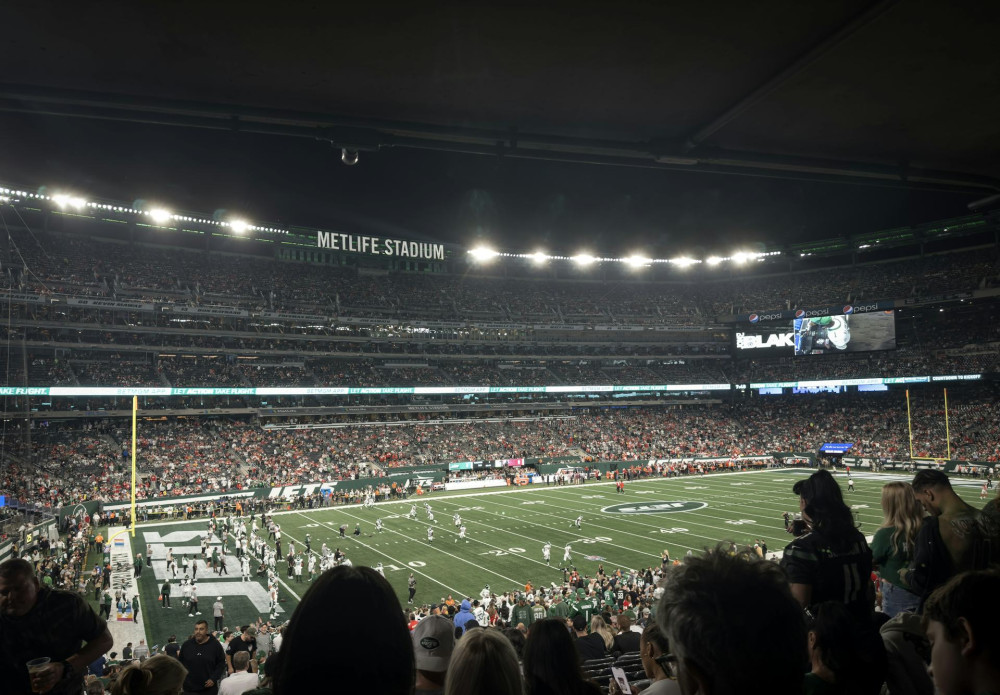
Take American football as an example. An AI model can factor in everything from passing efficiency and defensive strength to travel schedules and fatigue levels. It can even learn from past mistakes and adjust its predictions over time. The result is a more dynamic, data-driven approach to betting, where decisions are based on evidence rather than hunches.
Probability in a New Context
Probability has always been at the heart of betting, but AI allows us to understand it in new ways. Instead of viewing odds as static numbers, we can now see them as living estimates that evolve as new data arrives. This means that the probability of an outcome is no longer fixed — it’s constantly in motion.
For instance, an AI model can update its calculations in real time if a key player is injured during warm-ups or if weather conditions suddenly shift. This leads to a more accurate assessment of risk and potential — turning betting into something closer to a scientific discipline.
A Tool, Not a Crystal Ball
While AI can predict a lot, it’s important to remember that it can’t predict everything. Sports and games always contain an element of randomness that no algorithm can eliminate. A referee’s call, an unexpected play, or a moment of brilliance can change everything in an instant.
That’s why AI should be seen as a tool to improve decision-making — not as a guarantee of success. The best results come when human insight and technological analysis work together. Humans can interpret context and emotion, while machines handle the numbers and probabilities.
Læs også:




Ethical and Practical Considerations
As AI enters the world of betting, new questions arise. Who has access to the most advanced models? How can we ensure that the technology is used responsibly? And what happens if algorithms become so accurate that they erase the bookmaker’s edge?
Experts emphasize the need for transparency and regulation. AI can make odds fairer and more precise, but it can also widen inequalities if only a few players have access to the best data. In the U.S., where sports betting is rapidly expanding across states, these issues are becoming increasingly relevant. The future of betting will depend not only on technological innovation but also on ethical responsibility.
The Future of Betting — Between Data and Intuition
Artificial intelligence is transforming not just how we bet, but how we think about probability itself. It enables us to understand complex relationships and make more informed decisions. Yet it also reminds us that uncertainty will always be part of the game.
The future of betting will likely be a balance between data and intuition — between the cold logic of algorithms and the human ability to read motivation, momentum, and emotion. In that balance lies the enduring appeal of betting: the challenge of predicting the unpredictable.
Læs også: